Dunsyre: Wild Hawthorn Press, 1973.
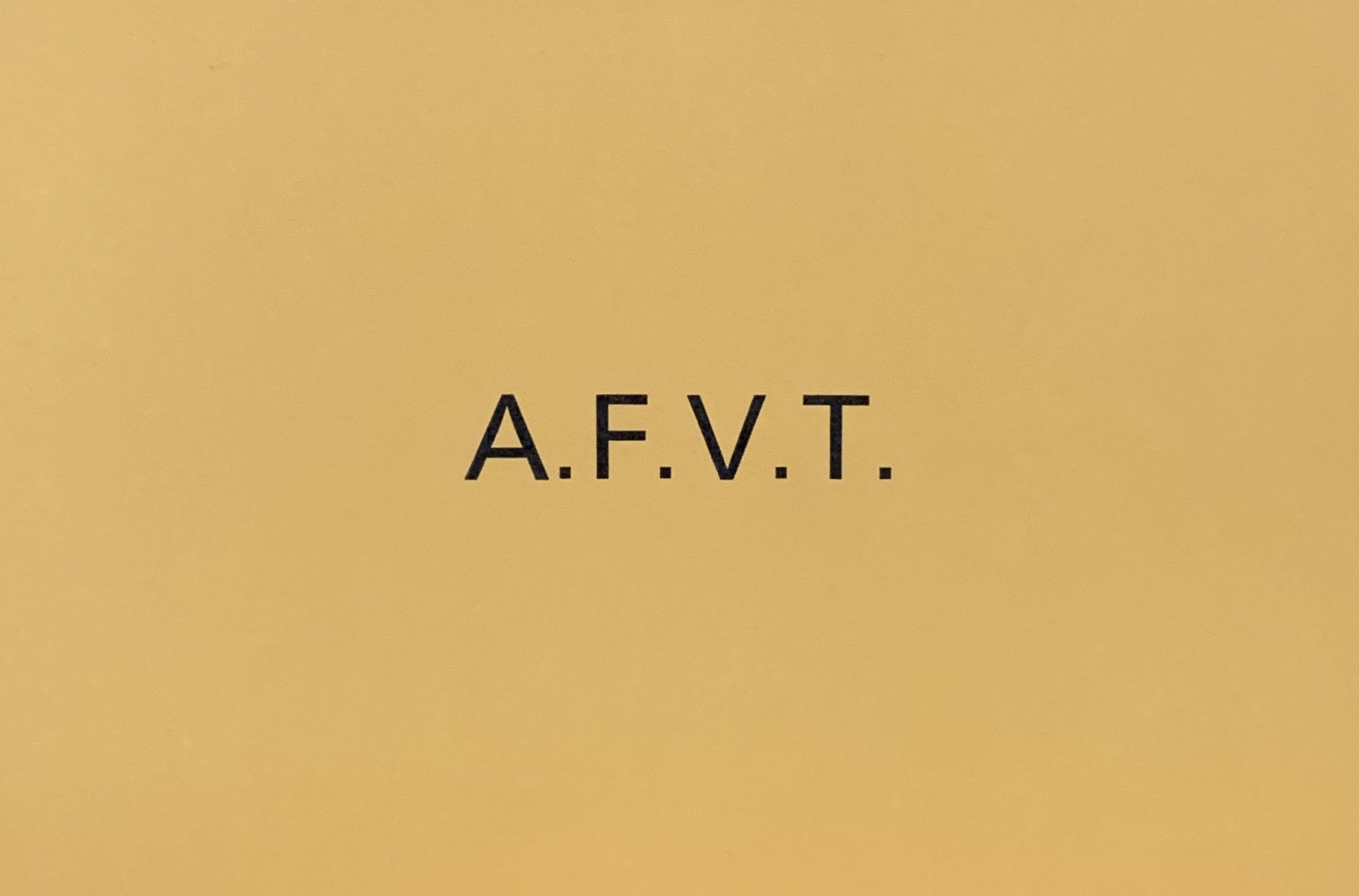
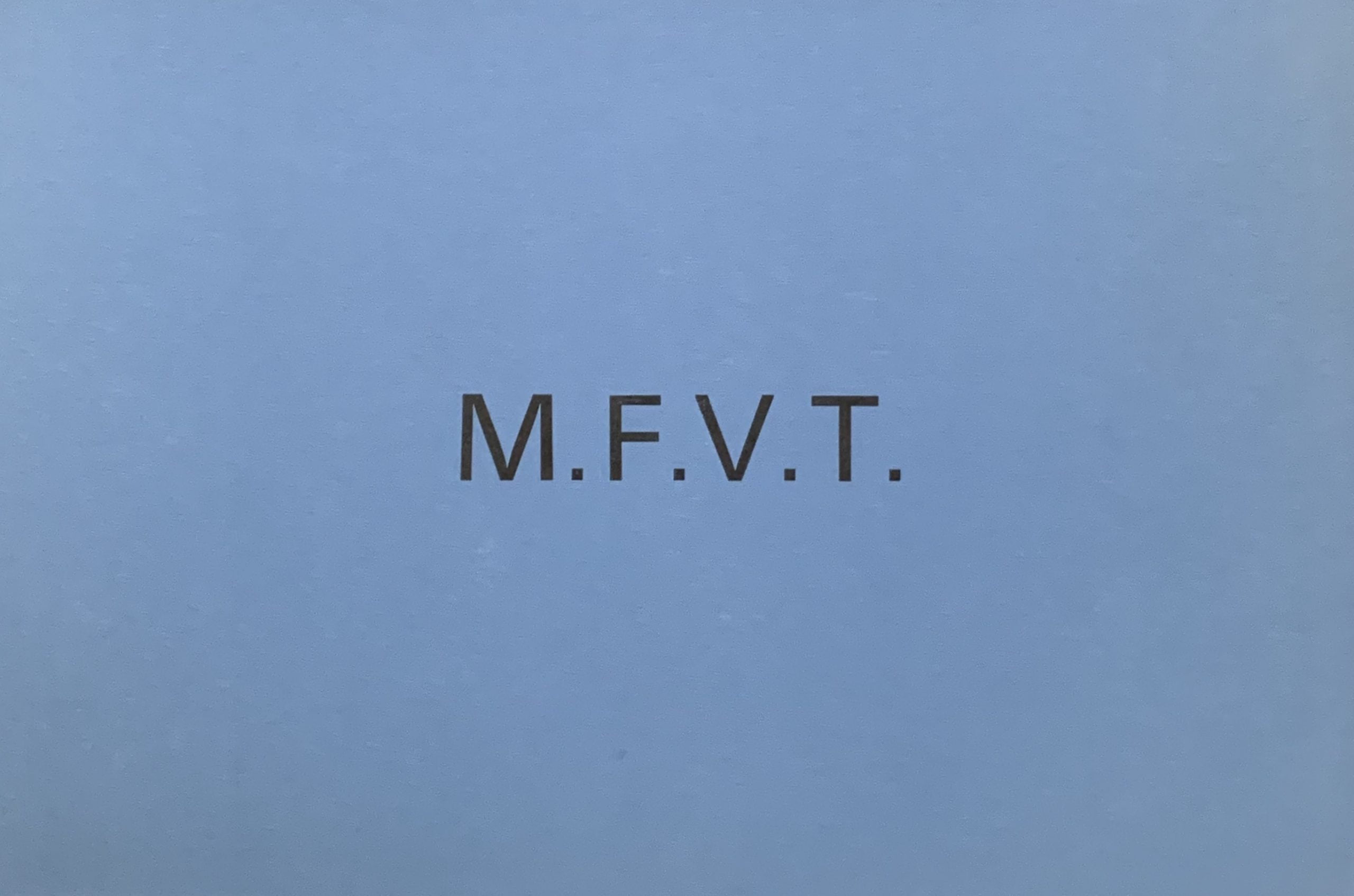
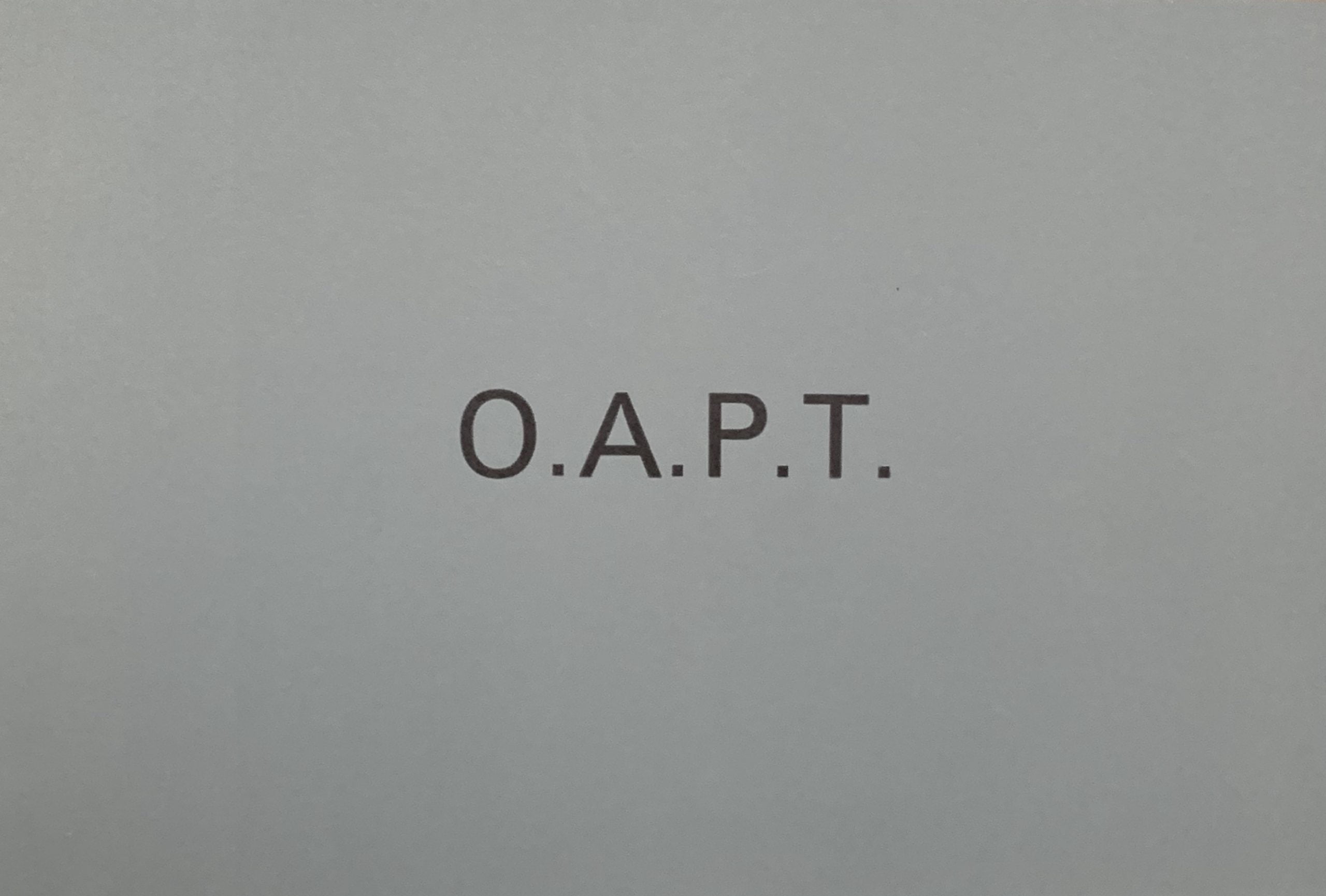
Three different cards - all 10.5 x 14.8cm, 2pp - each with a typographic design on the front with only the respective initials O.A.P.T./A.F.V.T./M.F.V.T and coloured backgrounds grey, mustard and blue. The initials stand for OLD AGE PENSIONERS TEA - and is allocated as for Simon Cutts, ARMOURED FIGHTING VEHICLE TEA and MOTOR FISHING VESSEL TEA both claimed for Finlay himself. A trio of related cards which are collectively designated by Finlay as "Tea-Cards" which recalls the small collectible cards found in tea packs as promotional items in the first half of the 20th century. One suspects a number of in-jokes between Finlay and Cutts are represented in these cards. VG+.

...

Little Sparta: Wild Hawthorn Press, 1973
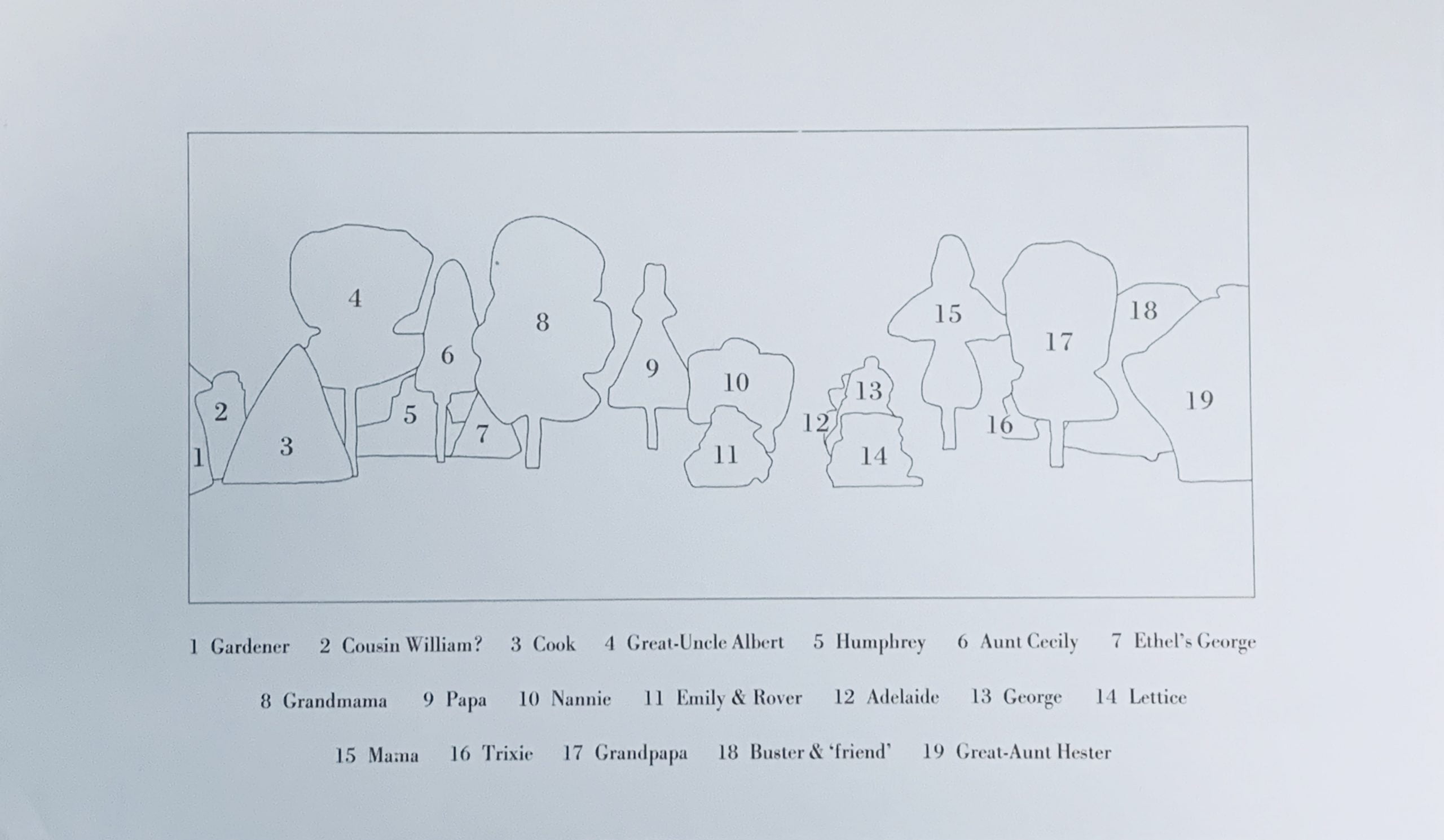
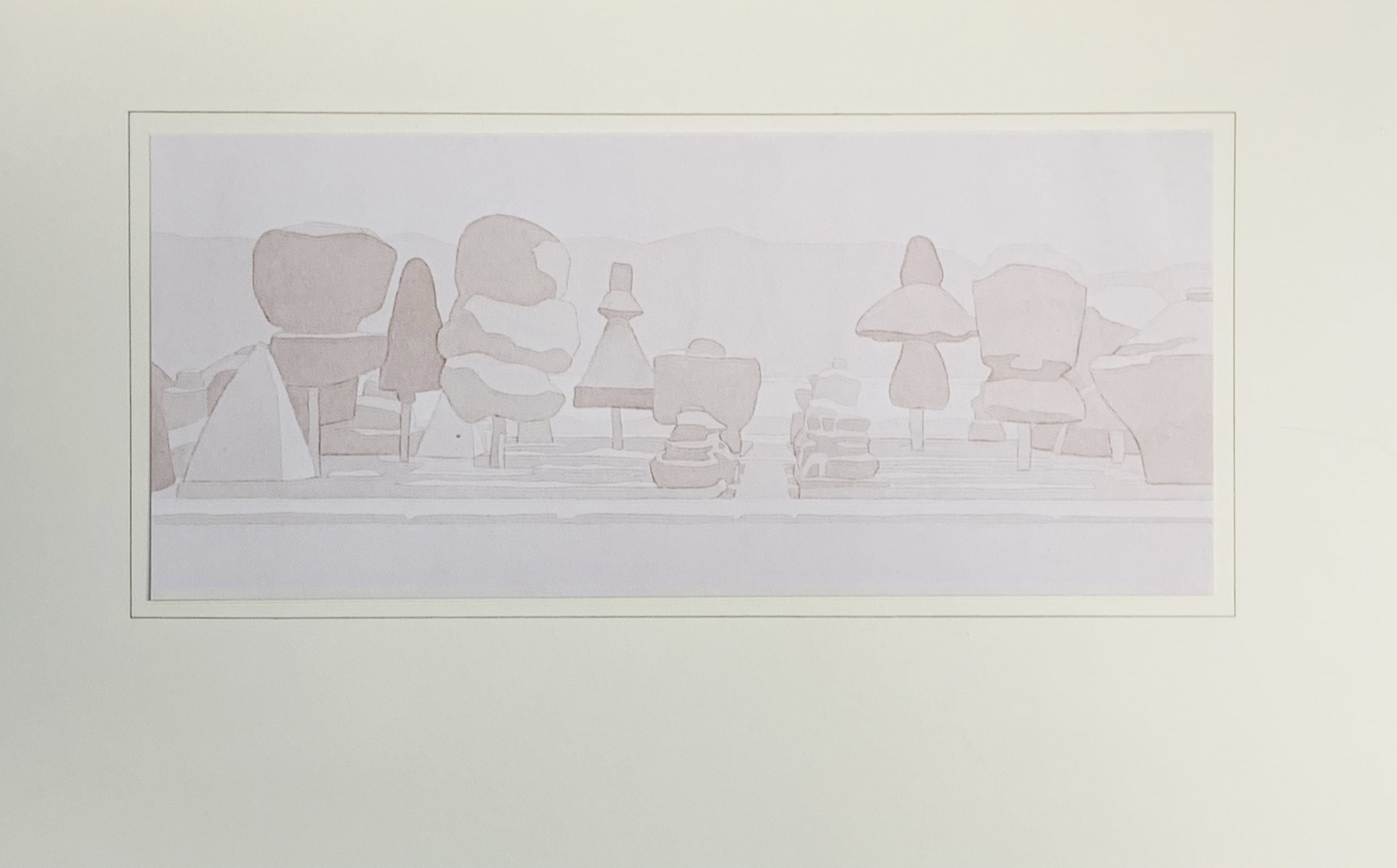
16 × 26.5cm, printed white outer folder content of a 16 × 26.5cm offset lithograph with an additional sheet with a key to the drawing. Karl Torok created a drawing of a topiary landscape for Finlay and each element is identifies as a member of a land-owning extended family and its staff eg Gardner, Cook, Great-Uncle William, Mama, Emily & Rose. It may be that this is an actual family portrait of sorts or a metaphor for how elements of a formal garden might be seen as related to each other. What is noticeable is that the father/mother and children are in the centre of the work and the more distant family and staff tend to be found at the sides. VG+.

...

Paris: Gallery du Tournesol, 1973
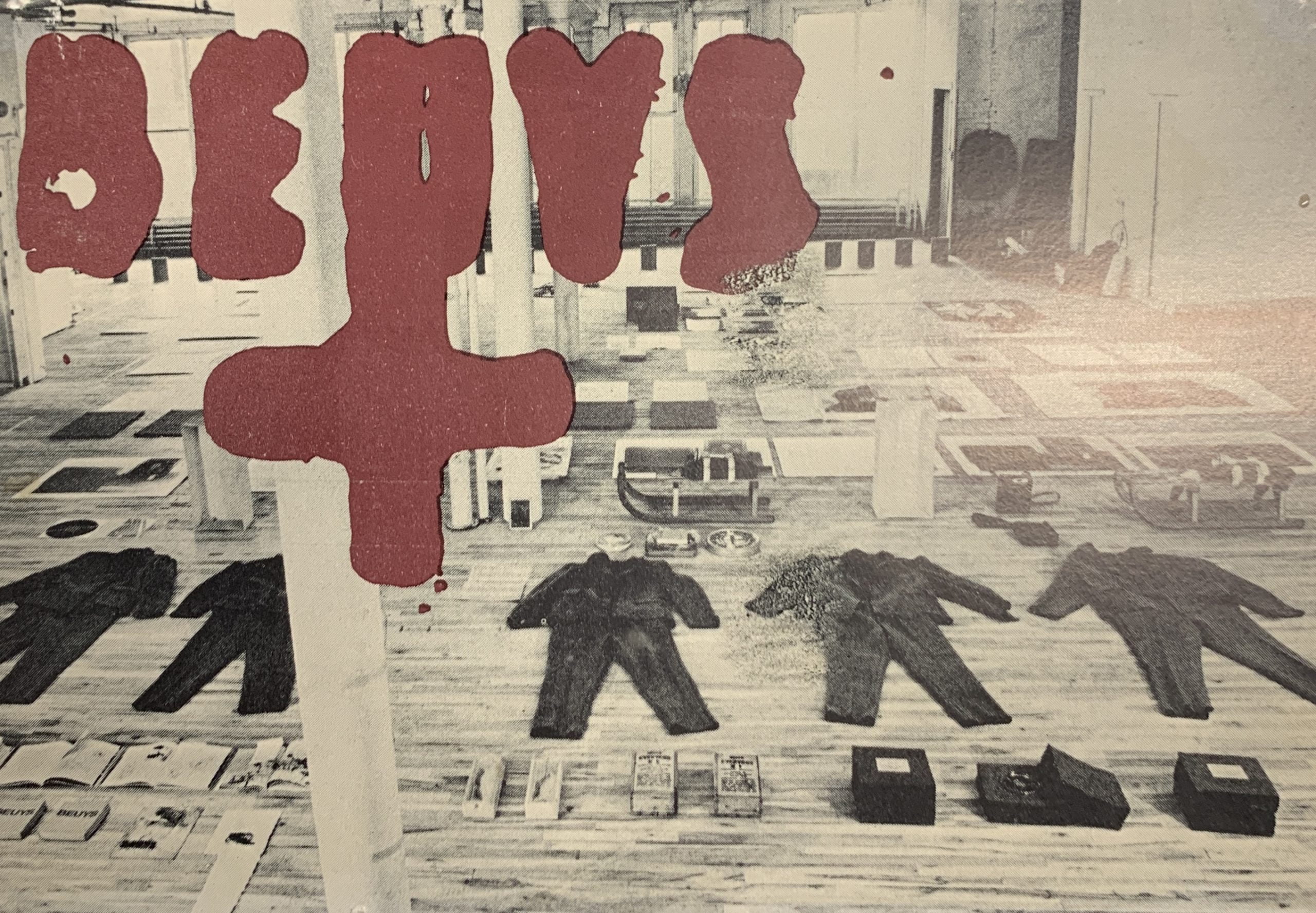
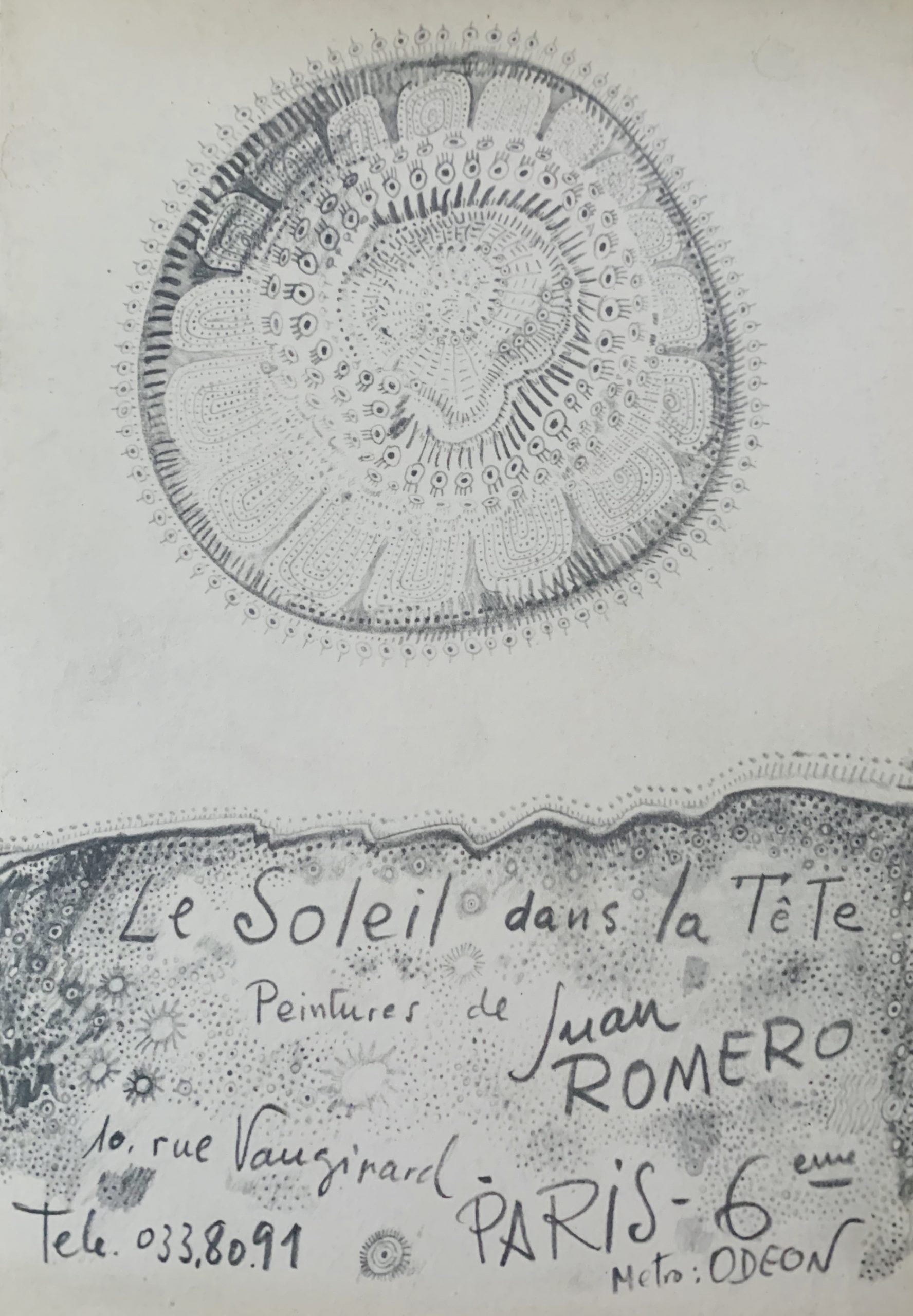
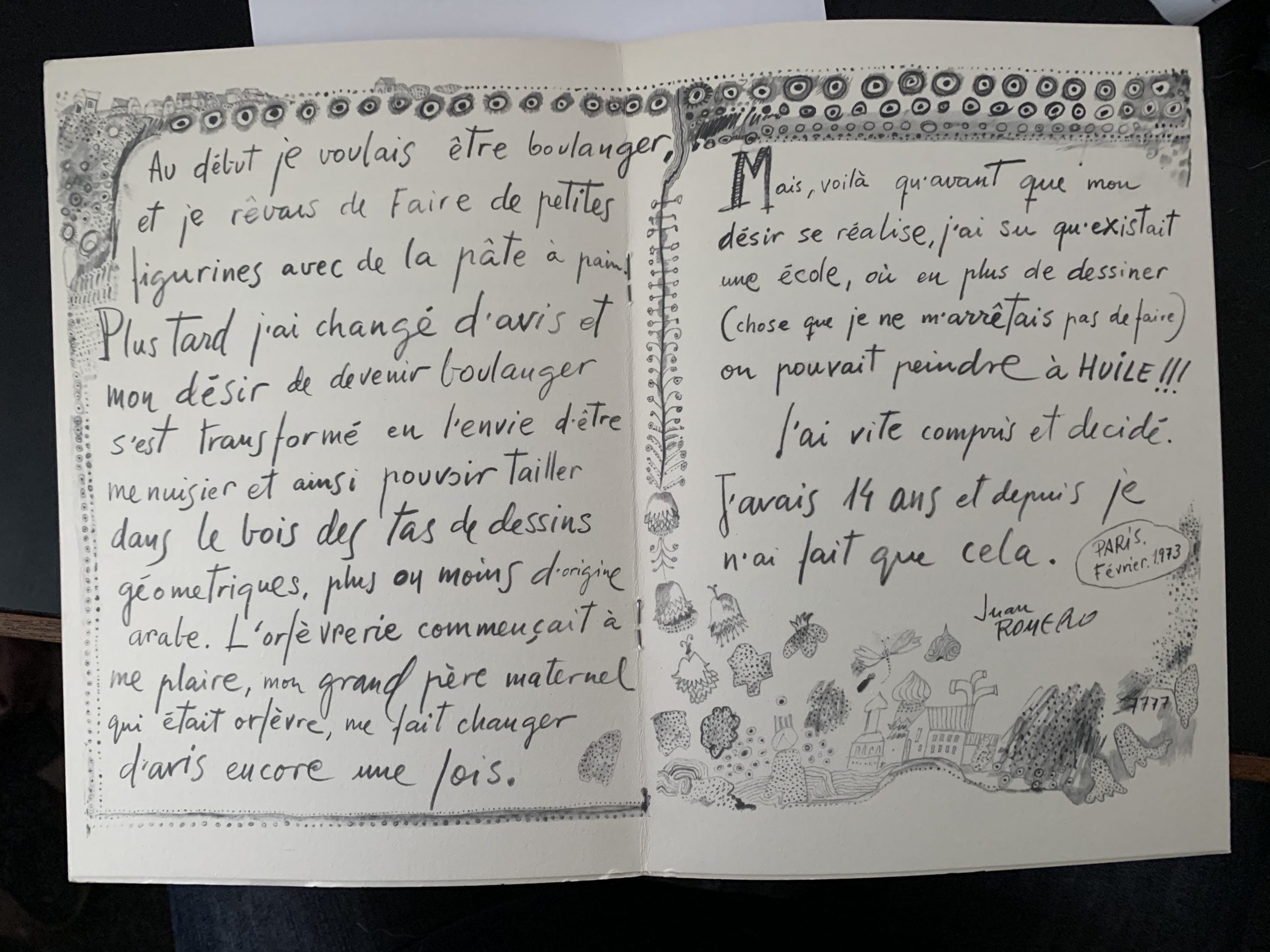
24.5 x 17cm, 8pp artist's book printed black on cream card with four original lithographs of drawings with text by Romero and a short text "Manuel du Voyager" (travel diary) written by Jean Jacques Leveque.
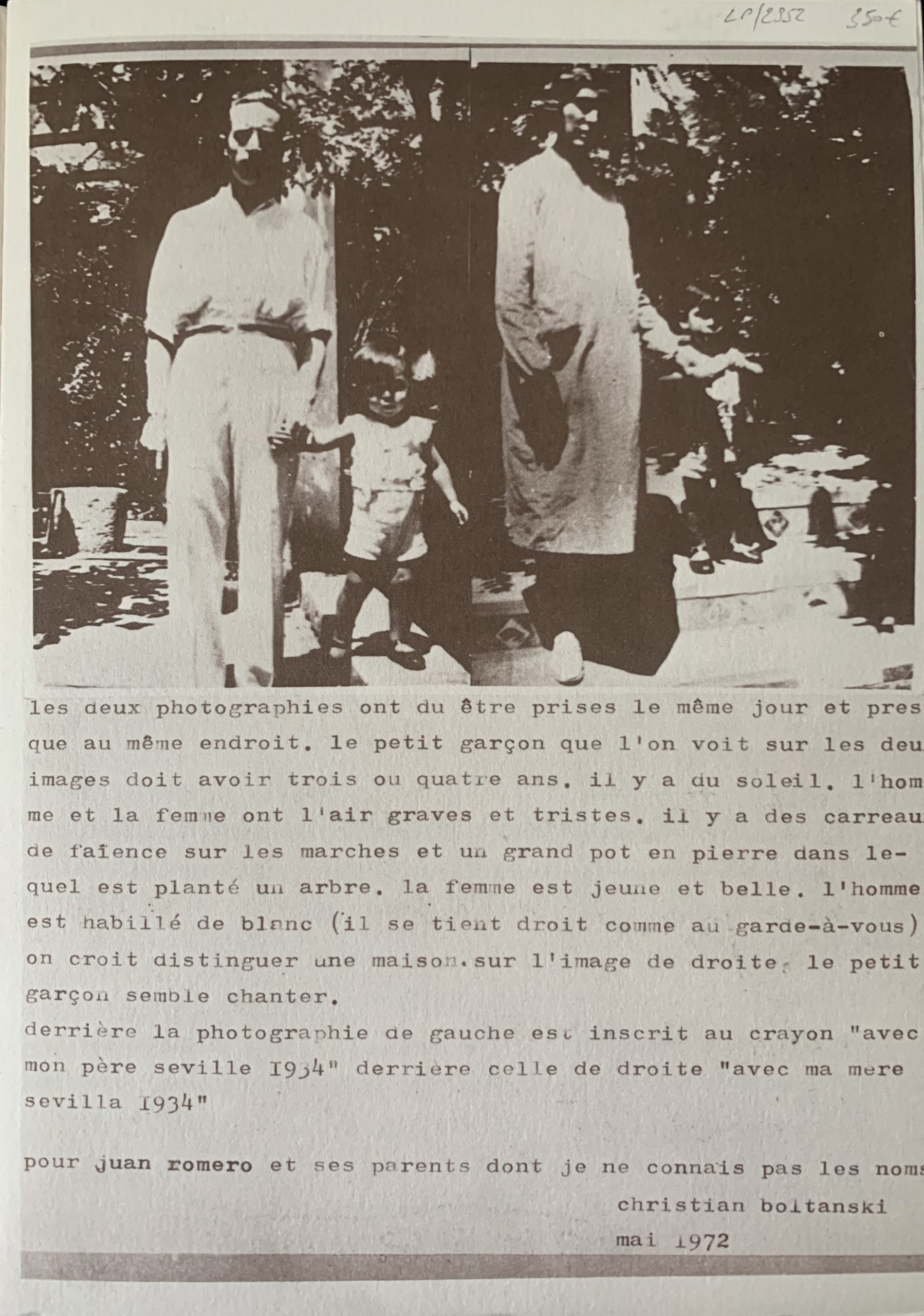
Additional to that on the third page there is an original contribution by Boltanski which is relatively unknown - two photographs of a mother and father with a child and below is the text written by Boltanski (our translation):
"The two photographs must have been taken on the same day and almost in the same place. The little boy in the two pictures must be three or four years old, the sun is shining, the man and the woman look serious and sad, there are ceramic tiles on the steps and a large stone pot in which is planted a tree. The woman is young and beautiful, the man is dressed in white (he stands straight as if at attention). You think you can make out a house. in the picture on the right, the little boy seems to be singing.
Behind the photograph on the left is written in pencil "with my father Seville 1934", behind the one on the right "with my mother Sevilla 1934"
For Juan Romero and his parents whose names I don't know. Christian Boltanski, Mai 1972."

It is not clear if these photographs are really of Romerpo and his parents or a fiction. Romero was a friend of Boltanski's who had organised exhibitions by the former at the same gallery when Boltanski was the director (it was founded by his mother). This contribution is not mentioned in any catalogue raisonne that we know of and is relatively forgotten.
BR>...

Dunsyre: Wild Hawthorn Press, 1973.
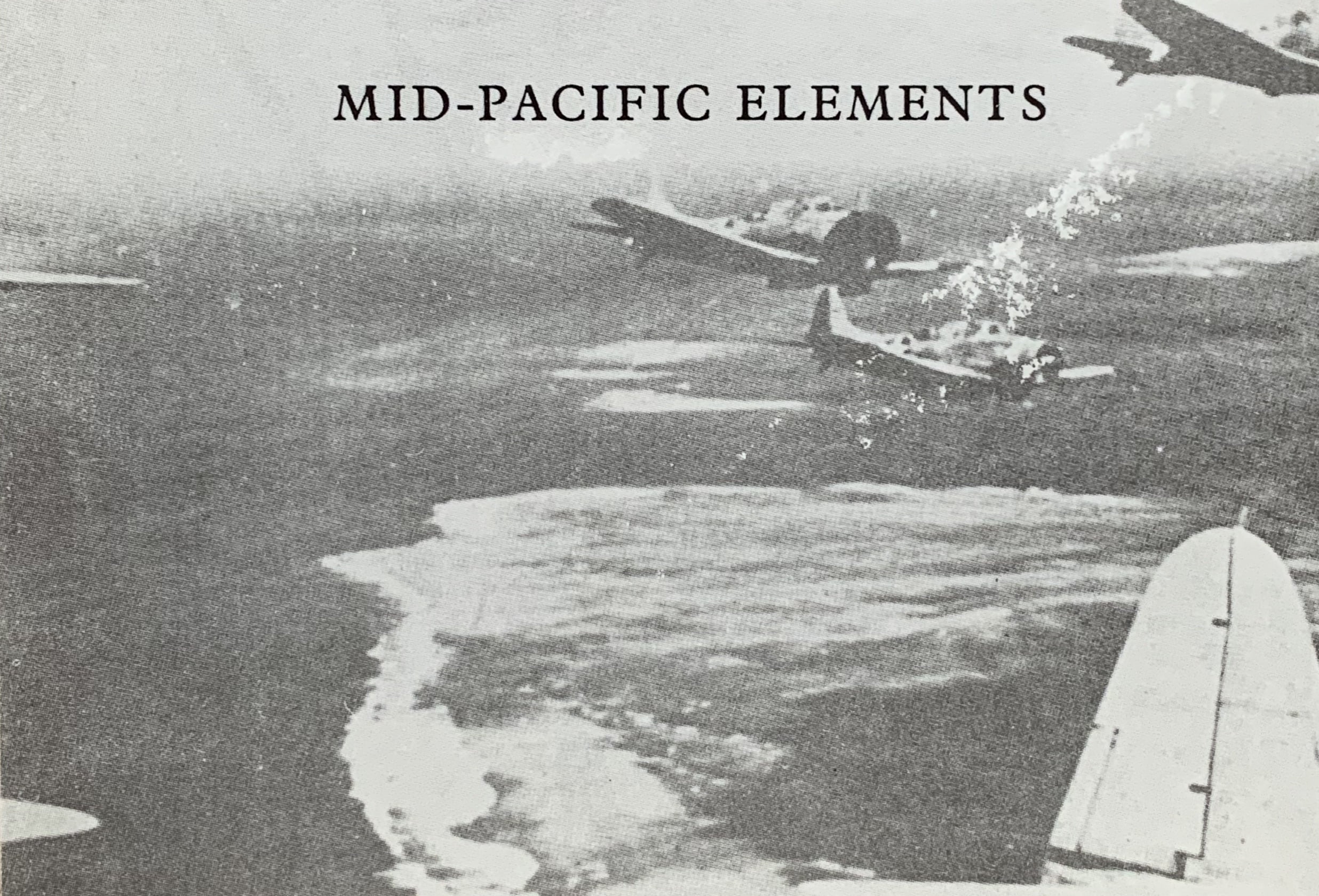
8 x 11.5cm, 10pp - single folding sheet printed on one side only. An accordion folded sheet that opens out to five b/w vintage photographs from the Battle of Midway. The first image is of planes leaving the US fleet to attack the Japanese but the next four are of explosions which Finlay has designated as Fire Water, Shell Fire, Samphire and Ise. The reference is to the classical belief in four elements Earth, Fine, Air and Water - a theme that the poet expanded in other later works. VG+.
BR>...

Dunsyre: Wild Hawthorn Press, 1973.
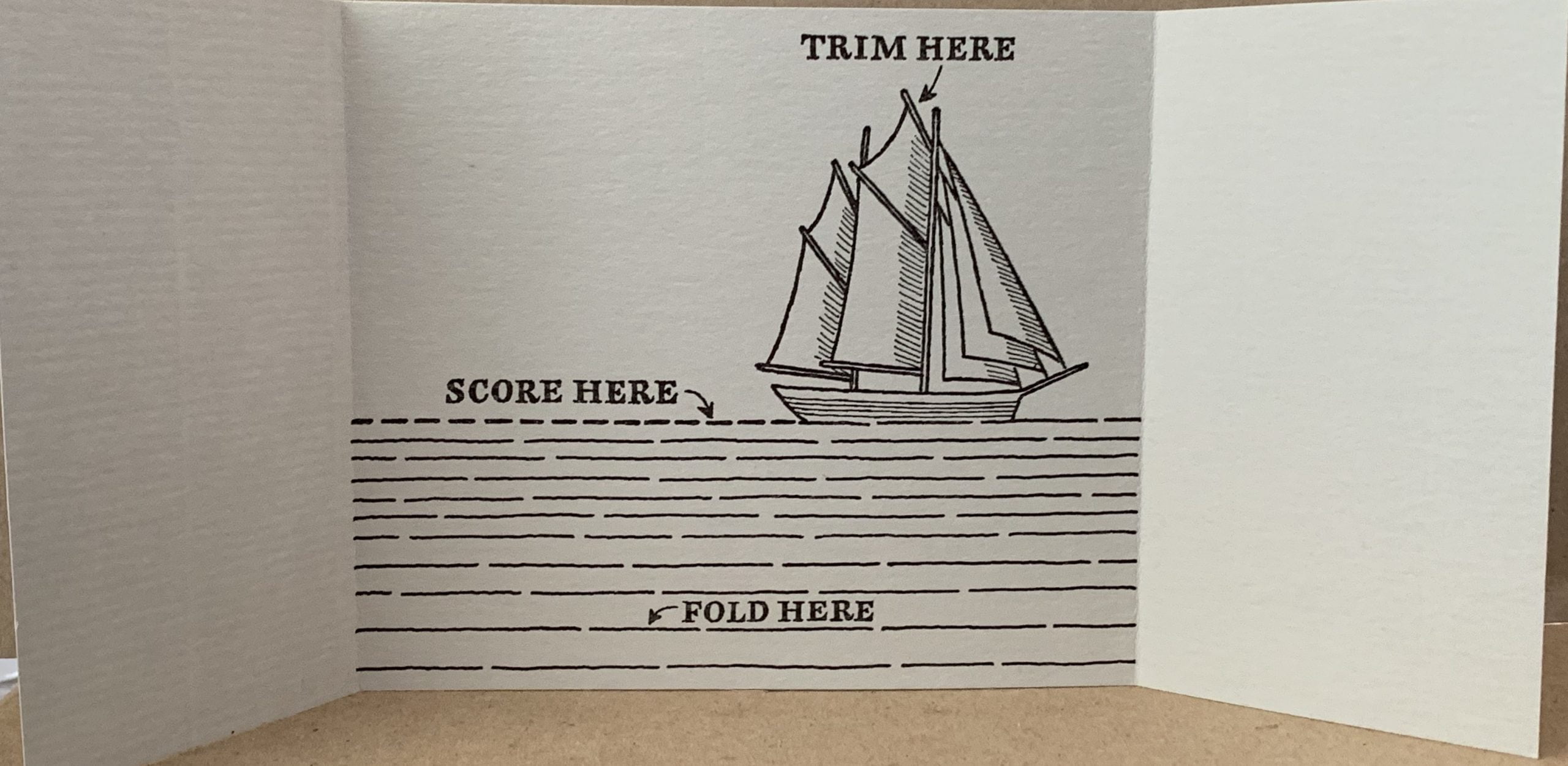
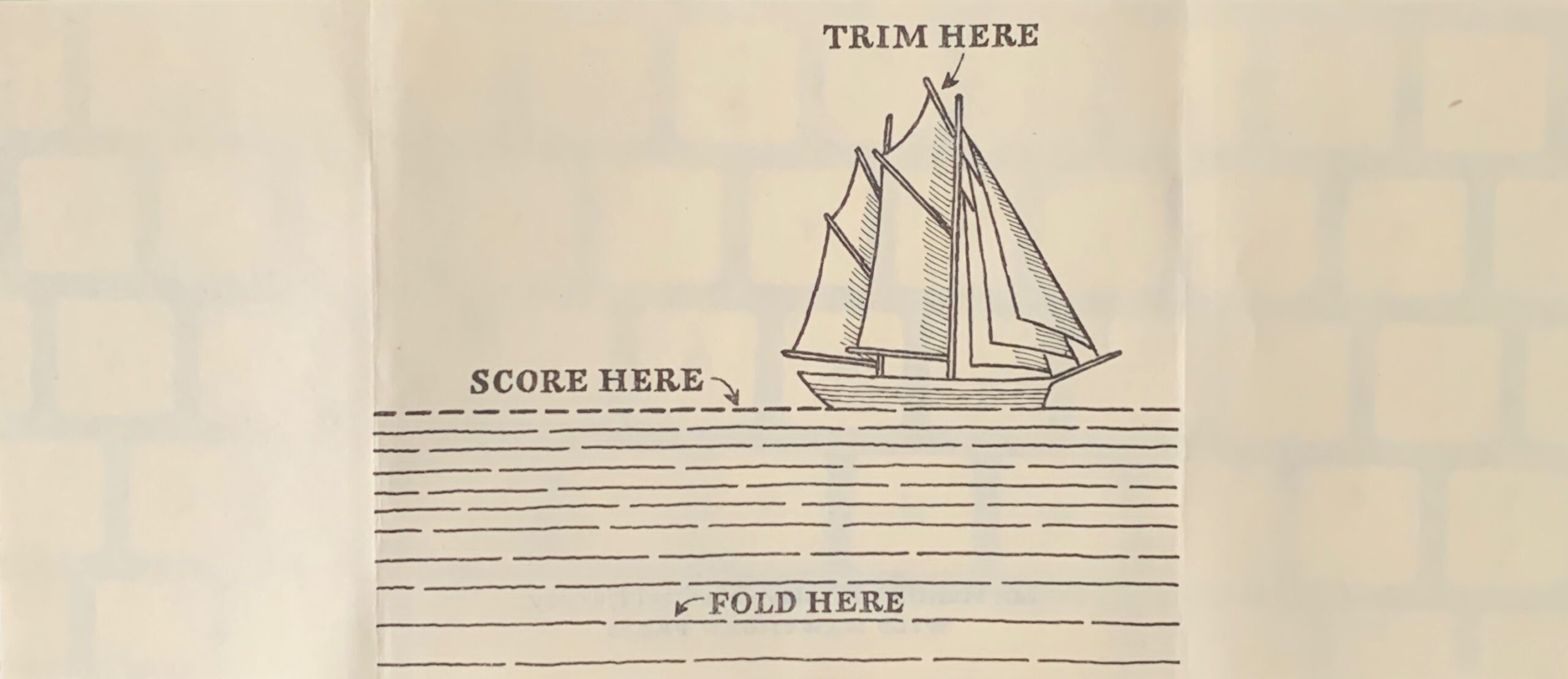
8.9 x 11.5cm, 1pp - single folding sheet printed black on grey. The drawing of a boat is above various lines representing the water level and waves. the instructions indicate ways of manipulating the card - Trim here, score here, fold here but the joke is that the boat is the type called a Trim. VG+.

...

Dunsyre: Wild Hawthorn Press, 1973.
8.9 x 11.5cm, 1pp - single folding sheet printed black on yellow. The drawing of a boat is above various lines representing the water level and waves. the instructions indicate ways of manipulating the card - Trim here, score here, fold here but the joke is that the boat is the type called a Trim. VG+. There were two variants of this item - one on grey paper the other on yellow. This is the latter.

...

Dunsyre: Wild Hawthorn Press, 1973.
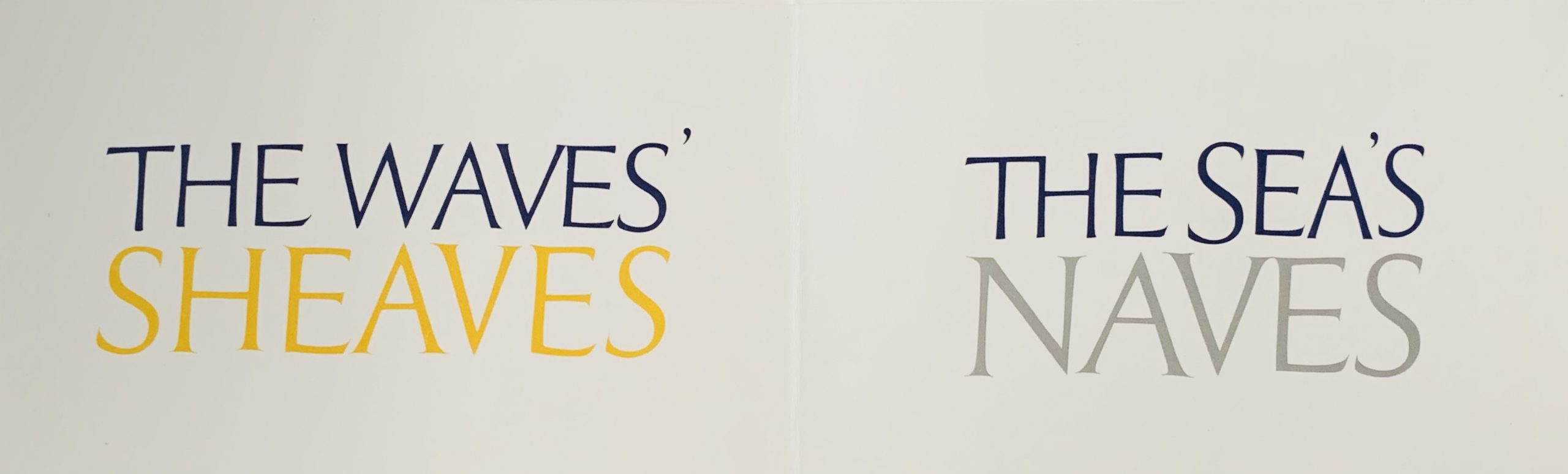
11.3 x 18.7cm, 6pp - single white card printed on one side only. All in an unprinted custom folder. Typography by Stuart Barrie - the three panels read THE SEA'S WAVES/THE WAVES' SHEAVES/THE SEA'S NAVES. The three texts bring equivalence to the three images - the waves, the moving wheat and an unusual poetic image of the sea having a central part of a church. It is not obvious what Finlay means by the latter but it may be the wake of the ship left behind the moving boat. VG+.

...

Dunsyre: Wild Hawthorn Press, 1973.
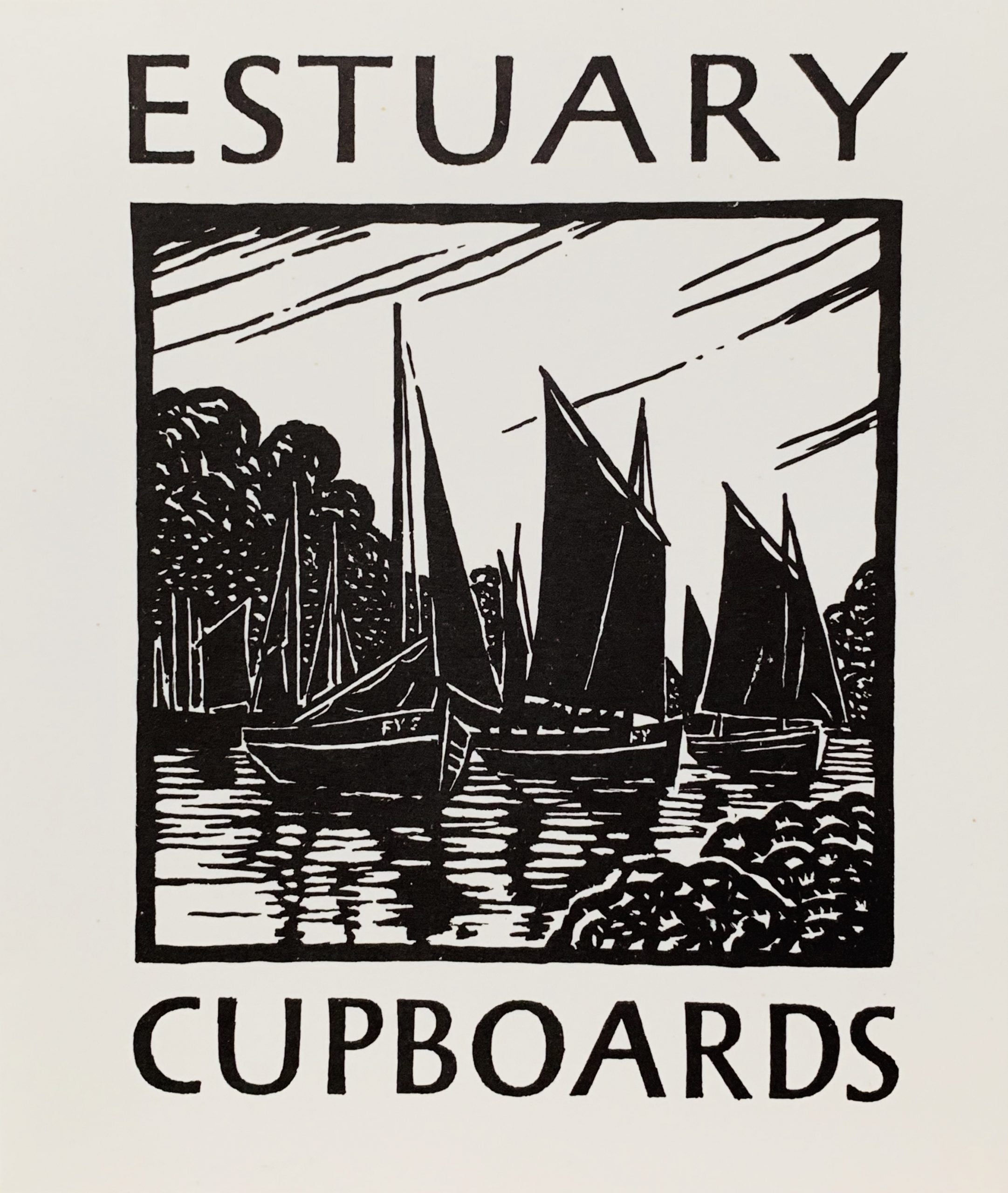
14 x 12cm, 4pp - with a drawing of anchored boats in a river basin with trees on the shore. The title suggests that the boats are little more than wooden storage units which one cannot argue with when they are left to wait their next journey. Drawing by Michael Harvey. VG+.

...

Dunsyre: Wild Hawthorn Press, 1973.
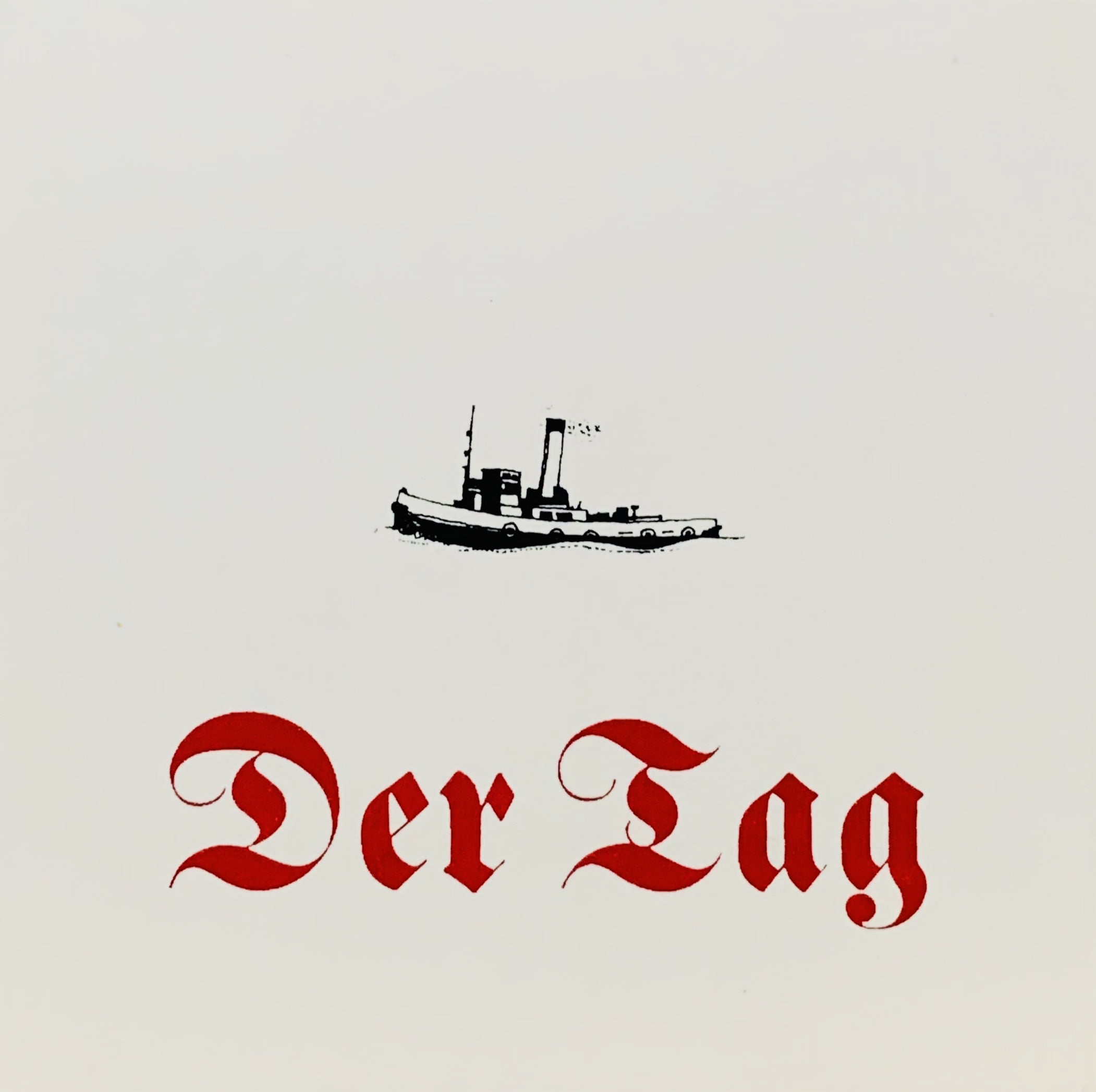
10.2 x 10.2cm, 2pp - with a drawing of a tug by Ron Costley. The drawing is accompanied by the words Der Tag in a Germanic script - the German word for tug.VG+.

...

Dunsyre: Wild Hawthorn Press, 1972
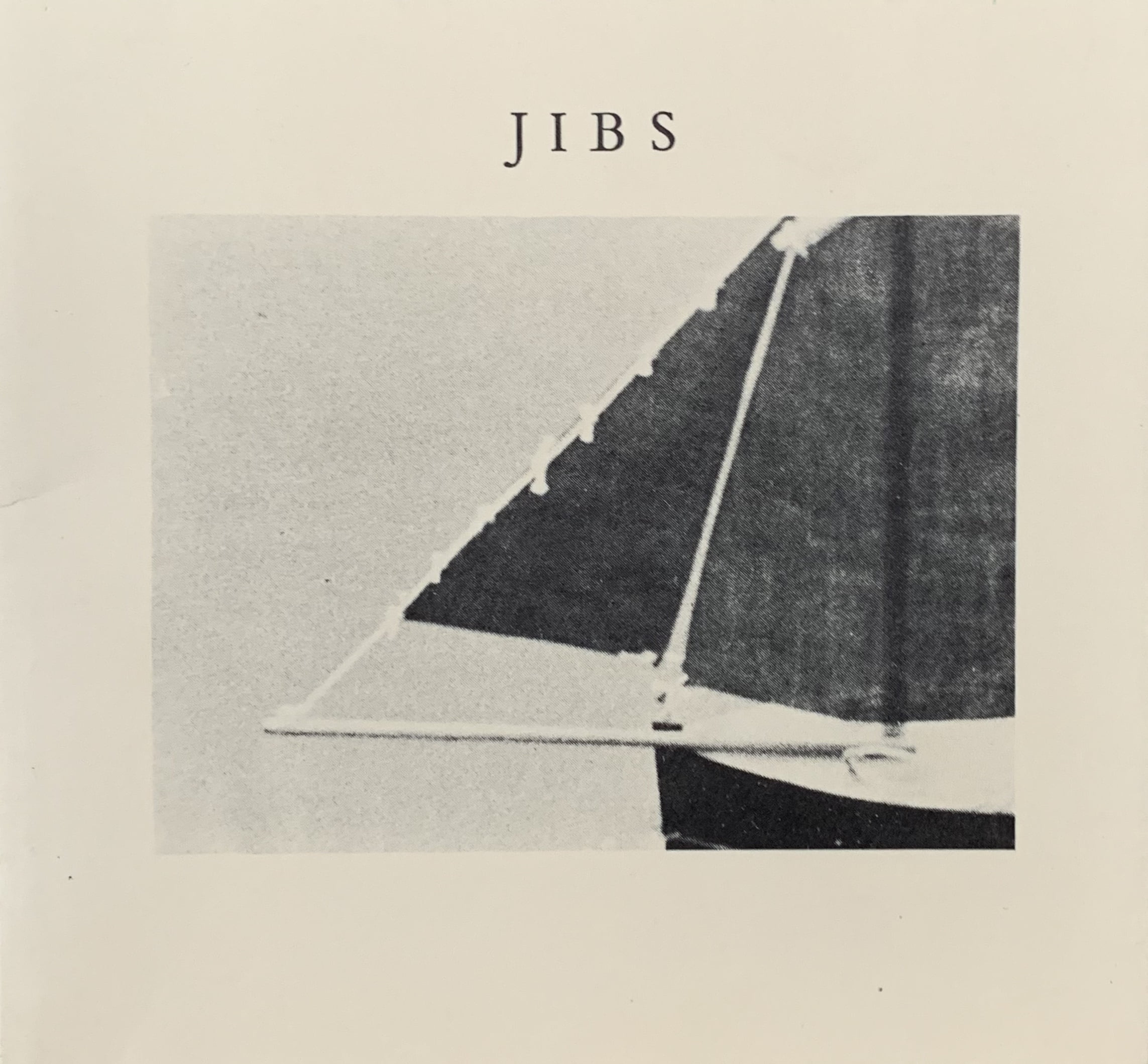
10.6 x 11.6cm, 24pp plus wrappers and pictorial dj - artist's book with ten concrete and visual poems and a frontispiece of a toy boat made by Finlay on the first end paper and also the dust jacket.

SHELF
sardines
pilchards
bottled ships

treats the tradition of making minature boats in bottles as if they are being preserved like tinned fish.
This is one of 350 copies each Signed and numbered by Finlay in ink at the back colophon. The date in some catalogue raisonne are given as 1971 but the colophon indicates with s Xmas publication in 1972.

...

Dunsyre: Wild Hawthorn Press, 1972
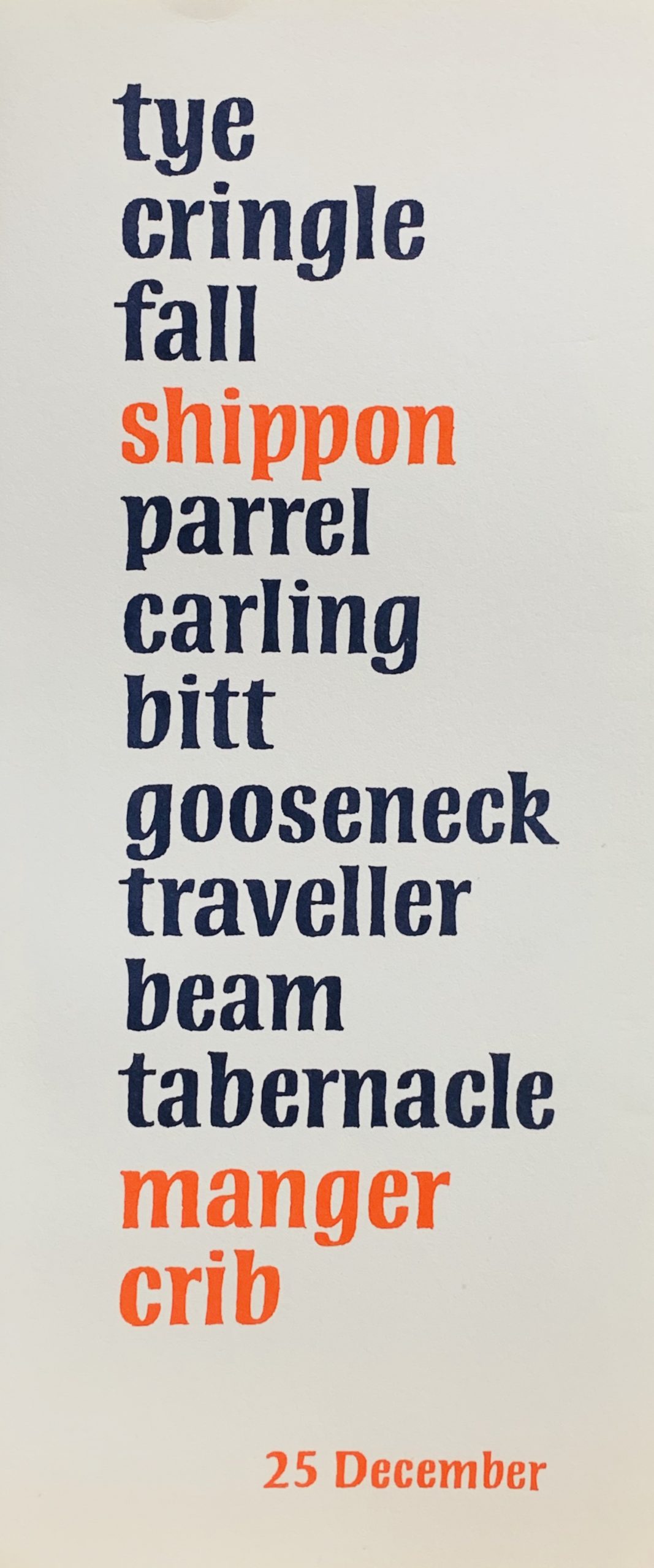
25.9 x 11.4cm, 4pp Xmas card with the descending textL

tye
cringle
fall
shippon
parrel
carling
bitt
gooseneck
traveller
beam
tabernacle
manger
crib

The words "shippon", "manger" and "crib" are printed in red, the rest in black. A shippon is a cattle shed so the three red words relate to a visual poem of the Jesus birth scene. The other words all relate to ropes and knots or masts in sailing.
The placing of the words all left aligned suggest a mast on a ship. Finlay has referenced ships in the biblical story of the supposed virgin birth (the card "I See Three Ships" is one such example which takes its title from a festive carol) and the arrival of a ship seems to signify a welcoming or greeting of an event for Finlay. Of course the return or arrival of a boat in a fishing village would have such significance when every trip was a risk to the lives of the sailors and by extension the community.
Released as the annual Wild Hawthorn Xmas card the date 25 December is printed at the bottom of the card also in red. VG+.

...

Shopping cart0
There are no products in the cart!
Continue shopping